Strength Training After 40 Should Build Confidence, Not Fear
Joint discomfort can make exercise feel confusing. You may hear that you need to move more, but every stiff knee, sore hip, or irritated shoulder can make you wonder whether training will help or make things worse.
For many adults over 40, the answer is not to stop moving. The answer is to train more thoughtfully.
Strength training can help some people reduce pain and improve daily function because stronger muscles help support the joints. It can also improve balance, coordination, posture, and confidence with movement. The goal is not to ignore pain or push through warning signs. The goal is to build capacity at a pace your body can handle.
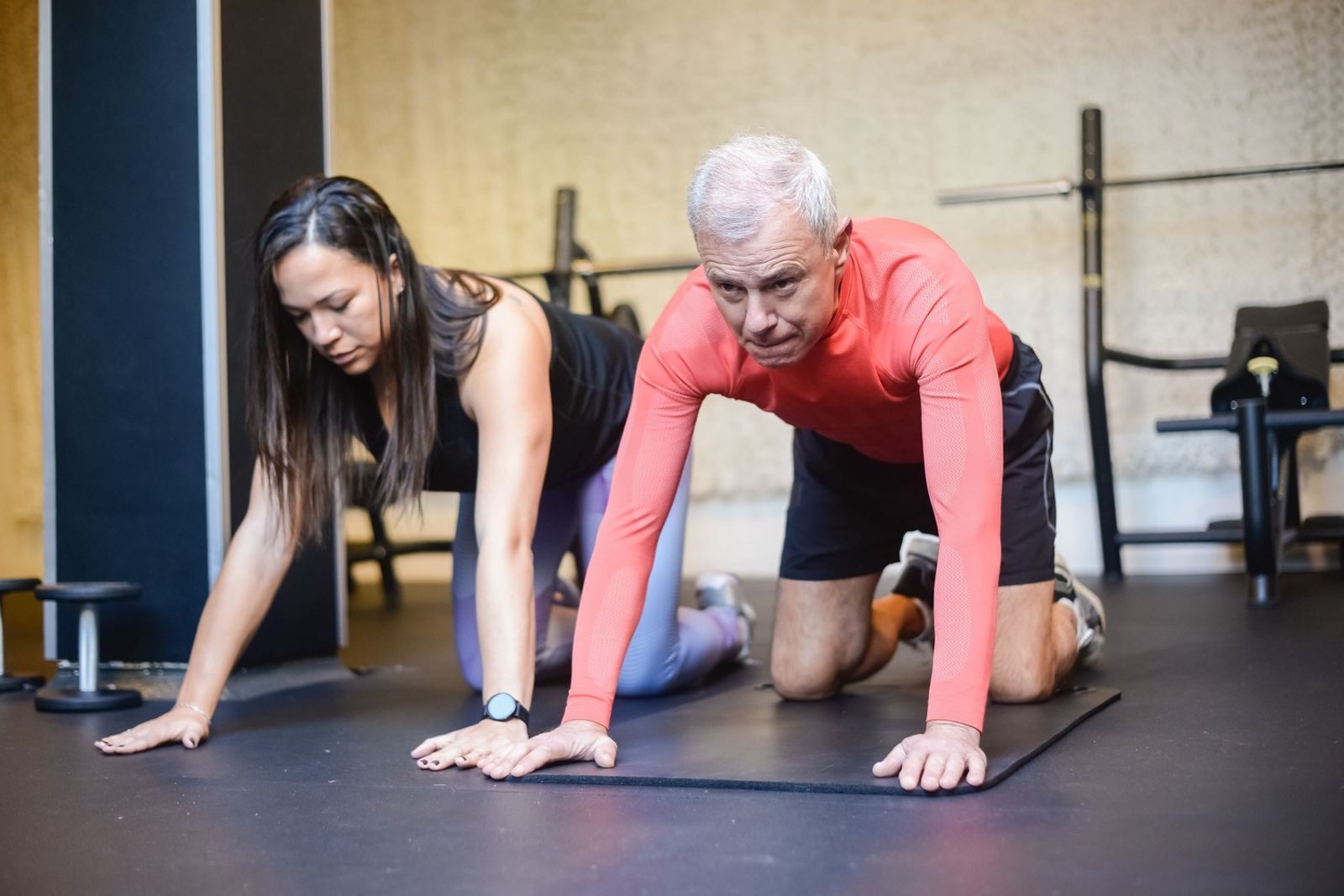
At SnuggFitt, that means using coach-led training to meet you where you are, adjust movements when needed, and help you build strength without turning every workout into a test of toughness.
Why Joints May Feel Different After 40
After 40, many people notice more stiffness, slower recovery, old injuries that speak up again, or discomfort during movements that once felt easy. That does not automatically mean the body is too old to train. It often means the body needs better preparation, better exercise selection, and a more gradual progression.
Long periods of sitting, inconsistent activity, loss of muscle, stress, poor sleep, and repeating the same movement patterns can all affect how the body feels. When the muscles around a joint are weak or poorly coordinated, everyday tasks may place more demand on the joint than they should.
Strength training cannot diagnose or cure every source of pain. Joint pain may come from arthritis, an injury, inflammation, nerve irritation, or another condition that needs medical attention. But when exercise is appropriate, a well-built program can make the body stronger and more capable around the painful area.
How Strength Training Can Support Pain Reduction
The first benefit is muscular support. Stronger legs can help the knees and hips handle walking, stairs, and getting up from a chair. Stronger back, shoulder, and core muscles can improve control during lifting, reaching, and carrying.
The second benefit is better movement quality. A coach can help you slow down, improve alignment, use a comfortable range of motion, and choose a variation that fits your current ability. Better movement does not mean chasing perfect form. It means finding a safe, repeatable way to train the movement you need.
The third benefit is increased capacity. When training progresses gradually, the body becomes more prepared for the demands of daily life. Groceries feel lighter. Stairs feel less intimidating. Standing for longer periods becomes more manageable. Those practical gains can reduce the fear that often surrounds movement after pain.
The fourth benefit is confidence. Pain can make people avoid activity, and avoidance can lead to more weakness and less trust in the body. A supportive training environment helps rebuild that trust one successful session at a time.
What Joint-Friendly Strength Training Should Look Like
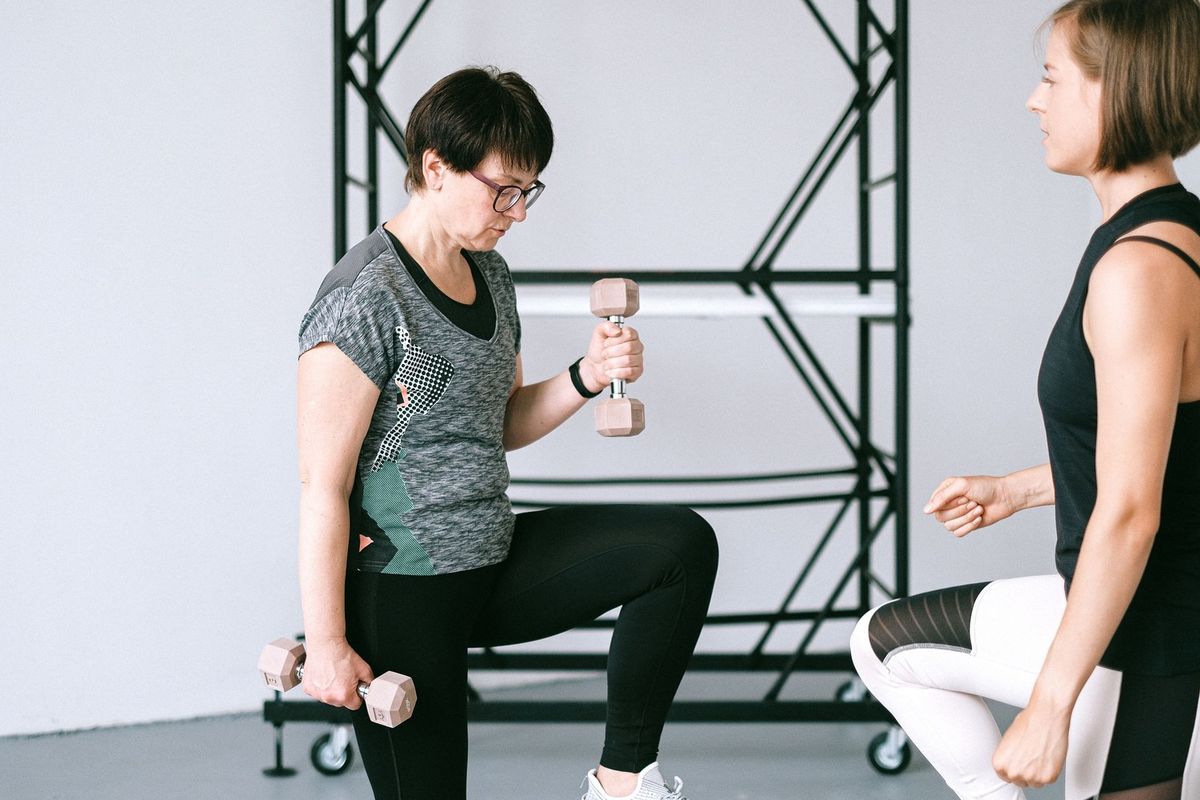
Joint-friendly training is not a single list of “safe” exercises. It is a way of programming. The right plan considers your current symptoms, movement history, goals, medical guidance, and how your body responds after each session.
A smart program usually begins with manageable resistance and controlled ranges of motion. It may include squats to a bench, supported split-stance movements, rows, presses, carries, core exercises, and mobility work. Some movements may use dumbbells, resistance bands, machines, or body weight. The equipment matters less than the fit.
Progress should be earned gradually. That may mean adding a few repetitions, increasing the range of motion, improving control, or adding a small amount of resistance. The goal is not to make the workout extreme. The goal is to help your body tolerate more without creating unnecessary irritation.
Recovery matters too. Strength training works best when it is supported by sleep, hydration, balanced nutrition, and enough time between challenging sessions.
Pain Is Information, Not a Character Test
Some muscle fatigue and mild soreness can happen when you begin a new program. Sharp pain, sudden swelling, joint instability, numbness, pain after a recent injury, or symptoms that continue to worsen should not be treated as something to push through.
A coach should be willing to modify a movement, reduce the load, change the range, or stop the exercise. When symptoms suggest a medical issue, the right next step may be a physician, physical therapist, or another qualified health professional.
This is especially important for adults who have been diagnosed with arthritis, osteoporosis, heart disease, diabetes, or another condition that may affect exercise planning. Fitness coaching can support your health plan, but it does not replace medical care.
Why Coaching Matters When You Are Rebuilding Strength
Working out alone can be difficult when you are unsure which movements are appropriate. It is easy to do too much because you feel good one day, then avoid training for a week because the session left you overly sore.
Coach-led personal training creates a more measured approach. Coach Snugg can observe how you move, explain what the exercise is meant to do, and help you distinguish between productive effort and a warning sign. That guidance is valuable for adults who want to improve strength but do not want to gamble with their joints.
SnuggFitt serves adults in Chicago, especially South Loop and nearby communities such as Bronzeville, Hyde Park, and South Shore. The approach centers on strength, mobility, accountability, and long-term health rather than quick fixes.
Mobility and Strength Work Better Together
Mobility is not just stretching. It is the ability to move through a useful range with control. Strength is what helps you own that range and use it in everyday life.
For example, improving ankle and hip mobility may make a squat feel more comfortable, but strength helps you stand back up with confidence. Shoulder mobility may help you reach overhead, while strength helps you control and support that position.
That is why a complete program should not treat mobility and resistance training as competing ideas. The right combination can help adults over 40 move more freely while building the muscle needed to protect that freedom.
Start With the Right Level of Challenge
You do not need to wait until every ache disappears before discussing fitness. You also do not need to prove that you can train like you did at 25.
The best starting point is an honest conversation about what hurts, what feels limited, what you want to do more easily, and what has stopped previous routines from lasting.
If you are looking for strength training in Chicago after 40 and want a plan built around your current body, schedule, and goals, SnuggFitt can help you begin with structure and support.